All Posts By

alapomelile

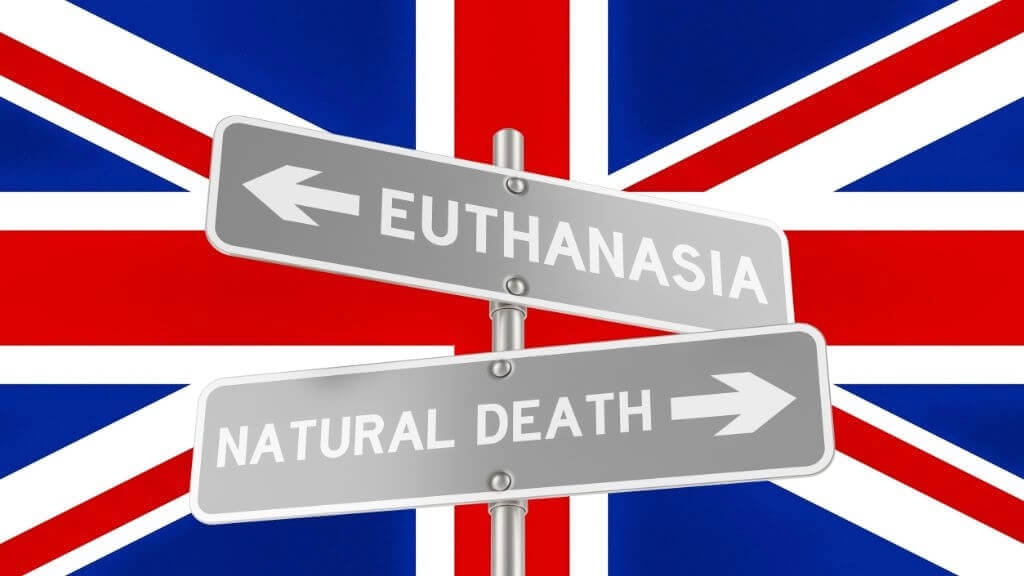
Simon O’Connor: Speaking to the House of Lords on Euthanasia

By | Recent News

This week I found myself up at 4am to speak to the House of Lords in the United Kingdom.  As you may know, they are considering yet another euthanasia/assisted suicide Bill and the Lords are currently holding committee hearings and wanted to know of the New Zealand experience.

There were four of us in total, two supporting life and palliative care and two that either support or lean in support of euthanasia.  I was there alongside Professor Sinead Donnelly, a professor and palliative medicine physician. Naturally, I’m with Family First, but I was also there, having chaired the health committee in parliament when it then undertook the largest ever inquiry, that into euthanasia.

I will admit, it was both a very early and long morning.  The way the House of Lords operates means that just about every vote requires the Lords to be there in person, so bells would ring during the hearing, and they would have to leave!

My message to the Lords was simple – euthanasia laws inevitably expand.  There was a sense from some of the Lords (those in support of euthanasia) that their UK law would be exceptional, that, unlike other countries, their proposed law would be complete and never need to be changed.

I simply pointed out that every jurisdiction that introduces euthanasia laws sees expansion.  I pointed out that we are only three years in here in New Zealand, and already, there is a big push to expand the law.  To remove conscience rights from doctors, nurses, and hospices; to let doctors promote euthanasia to patients; for the Ministry of Health to advertise euthanasia; and to remove the likely 6 months to live requirement.

The key dynamic in play, that I attempted to succinctly explain to the Lords, was the euthanasia moves swiftly from being a health issue to a justice issue.  Debate begins around terrible medical conditions (think neurological disorders such as Huntington’s disease) but swiftly moves to one about rights, not discriminating, and equal access.

I was also at pains to point out the contradictory statements being made by the New Zealand pro-euthanasia witnesses.  On one hand, they were saying New Zealand’s law has important safeguards yet the very next minute they were saying that safeguards are an obstruction and prohibition that should be removed.  Quite extraordinary!

A particularly memorable moment, which elicited loud gasps from the Lords present, was when one of the pro-euthanasia researchers here in New Zealand stated:

“The concerns about palliative care being undermined are more about the palliative care professionals who cannot sit with their own discomfort about assisted dying”

You can appreciate why there were gasps to this dismissive and dangerous statement.  What was being strongly stated is that any moral or ethical concerns around terminating people should be put aside; that palliative care practitioners with concerns should be dismissed.  This New Zealand researcher also appears blind to why people might experience such discomfort, and doubly so when it’s those in palliative care who spend their lives trying to help the dying live well to the very end.

Let’s hope that the Lords see the value of life and vote no to this proposed law.

The dangerous path of euthanasia expansion

By | Uncategorized

The inevitable has happened, with the ACT Party and other pro-euthanasia/assisted suicide proponents calling for the expansion of the system.  Euthanasia has been legal for barely three years, and over 1200 Kiwis have ended their lives, and already proponents want more.

Three plus years ago, we were told by euthanasia proponents that there was no slippery slope or push to expand, and that few New Zealanders would take it up.  1200 deaths later, and a push for a new Members’ Bill in the name of ACT MP Todd Stephenson tells us a very different story.

We were also told that the system would be safe.  It is not.  As I write, we know of a tragic case where a non-English speaking woman with dementia was euthanised, despite no translator being present.  There is also at least one euthanasia case now before the police.

Those put in charge of reviewing euthanasia cases noted that forms were not poorly filled out, and that what doctors were saying about their patients did not match what was written on the forms.  These reviewers also questioned the lack of information provided to them, and ultimately, as these reviewers asked more questions – and became whistleblowers – they had their roles cancelled (ironically, by the author of the End of Life Choice Act and now government Minister, David Seymour).

We also know that Health New Zealand cannot even give New Zealanders accurate numbers of deaths.  Its reports frequently get numbers wrong, in one instance, missing nearly half the number of people who died in one quarter.

All this to say, the current system is not working well, and mistakes are happening.

We also know that very few doctors and nurse practitioners want to be part of the service.  Around 120 are involved, from a pool of 20,000.  The response by euthanasia proponents and Todd Stephenson is to remove conscience rights of doctors and nurses to object.  You have read that right – a law based on autonomy wants to remove autonomy from medical professionals.  The same is true for hospices, with the proposed amendment wanting to force their facilities to allow euthanasia, even though it is the antithesis of palliative care.  Autonomy for some, coercion for others!

We also have recent research from Auckland University that noted the main reason people seek euthanasia is fear of losing control of their lives.  While clearly underlying health issues, it was people’s fear of future suffering and death that drove the requests.  This was further emphasised by the doctors who noted that the ‘unbearable suffering’ criteria is totally subjective.

The same research also, distressingly, highlighted the experience of one doctor being surprised when a patient did not die quickly and instead gagged, choked, and struggled to breathe after orally ingesting lethal drugs.

Despite the rhetoric of a peaceful death, it is not always the case.  Just like the reporting mistakes, the inability to objectively identify suffering, and the already simple processes being ignored, Todd Stephenson and others are pushing for an expansion.

They point to Canada, and yet this country’s approach to euthanasia should be a warning. Euthanasia in Canada is now the 5th leading cause of death, alongside the likes of cerebrovascular diseases (think the likes of strokes) and chronic lower respiratory diseases (think the likes of emphysema and chronic bronchitis).  One in twenty, or 5%, of Canadians now die by euthanasia.  Euthanasia was billed as something rare, and proponents continue to provide the ‘next hard case, ’ but it is clear it expands and expands.  Sticking with Canada, they have even changed the law to allow mental illnesses (though it is yet to take effect) and are discussing euthanising babies and children.

A final observation.  Proponents of euthanasia continue to couch their language in terms of compassion and love.  Let’s be clear, euthanasia and assisted suicide have nothing to do with ‘compassion’ or love.  Quite the opposite.  Compassion literally means to suffer with; it does not mean to eliminate the sufferer (which ironically, is more often those watching a loved one die, not the loved one).  And love seeks to provide hope and care, not removal.

*Written by Family First staff writers

Ethos Alliance: ACT’s euthanasia law would breach human rights

By | Recent News

ETHOS ALLIANCE PRESS RELEASE


ACT wants to expand euthanasia but this would breach fundamental human rights in the New Zealand Bill of Rights Act.

“ACT’s changes breach human rights and take away freedom of choice,” says Alex Penk, author of a new report for MPs on the End of Life Choice Amendment Bill. “The Bill would stop doctors and care facilities like hospices from using their conscience and making ethical decisions like they do now.”

“Assisted dying is already highly controversial and most doctors don’t want to be involved,” says Penk. “The Bill would introduce euthanasia for long-term conditions and disabilities, like chronic heart conditions, frailty, diabetes, renal failure, multiple sclerosis, and motor neurone disease. This would force doctors and care facilities into more conscience conflicts. Doctors have to use ethical judgment all the time but the Bill sends a message that they’re just supposed to do what the state tells them. There’s a real risk it’ll force ethically-minded people out of medicine.”

“ACT’s bill would also undermine palliative care. It would cover ‘care facilities’, including hospices, disability support facilities, and rest homes. Care facilities would have to be prepared to allow assisted dying even when that goes against their beliefs. Facilities like hospices do an incredible job for vulnerable people but they’re over-stretched and under-funded. They shouldn’t be backed into a corner if they don’t want to be involved in euthanising their residents.”

“This is not what Kiwis voted for,” says Mr Penk.  “David Seymour said that conscience is a cornerstone of the law, and 65 percent of voters supported that law in a referendum. There is no mandate to change such a fundamental part of the law. Let individual doctors and care facilities decide if they want to offer assisted dying, or the government could just do a better job of providing information.”

“It’s ironic that a law about end-of-life choice would limit freedom of choice,” says Penk. “MPs will get a conscience vote if the Bill goes before Parliament. Why shouldn’t doctors and care facilities get to use their conscience too?”

END

For more info check out: https://www.ethosalliance.nz/news-and-views

US film highlights concerns over Assisted Dying and its impact on people with disabilities

By | Recent News

A US film about assisted dying and the treatment of people with disabilities is set to premiere at this year’s Sundance Film Festival.  Titled “Life After”, the feature documentary by Reid Davenport (who also has cerebral palsy) explores the story of Elizabeth Bouvia, a 26-year-old woman with cerebral palsy and arthritis, who in 1983 attempted to starve herself to death in a California hospital, citing that life wasn’t worth living. The legal battle that followed turned her into a public figure. A court ruled she did not have the right to die.

However, in 1986, a judge reversed the decision, but Bouvia chose to continue living, though she still preferred to die under different circumstances. She later lived with a live-in nurse in her own apartment until her death in 2014.

The filmmaker also heads to Canada to explore one of the world’s most aggressive assisted dying programs known as MAID (medical assistance in dying). Canada’s Medical Assistance in Dying (MAID) program, which allows euthanasia for chronic illnesses or disabilities, has increased, and MAID is now the 5th leading cause of Canadian deaths. Davenport digs into the unprecedented rise in disabled people dying prematurely due to  MAID and speaks to advocates, patients and doctors who believe euthanasia saves healthcare costs. Davenport views this as a troubling factor in the rise of euthanasia. Davenport acknowledges that assisted dying, in theory, could be safe for terminally ill adults but believes it’s unsafe and risky in a neoliberal society where patients face significant social and economic pressures. Davenport worries that society encourages people with disabilities or chronic medical conditions to view life as not worth living.

The film director is cautious about his documentary being seen as cynical or alarmist by pro-euthanasia advocates and progressives. Davenport believes the issue of assisted dying is complex and that disability activists, not just conservatives, have valid concerns about the potential for abuse and the “slippery slope” argument. He notes that even if the slippery slope argument is seen as fear-mongering, there are instances where it is valid.

The film in varying confronts two powerful systems—the healthcare and bureaucratic systems—challenging their responsibility for overlooking how their shortcomings and policies may not be as effective as they seem. More importantly, Life After is a crucial exploration of the value of life itself.

Article source 

global rise in euthanasia

The troubling surge in assisted suicide

By | Latest News

The push to pass euthanasia and physician-assisted suicide laws over the past few years has seen a global rise and acceleration of various jurisdictions legalising and normalising assisted suicide.  New Zealand, Austria, and Spain all legalized it in 2021, with parts of Australia doing the same in 2022.  In  Italy, the first assisted suicide took place in 2022. And most recently, the United Kingdom, in late November last year, took the first step in passing a physician-assisted suicide measure that would open the door to the practice of allowing doctors to help people take their own lives.

France, Scotland, and Ireland are contemplating similar measures, as well as 19 other jurisdictions that have some form of physician-assisted suicide on the books. In the USA, 10 states and the District of Columbia have legislated physician-assisted suicide, with other states like Delaware, New York, and Maryland looking to secure similar laws.

In countries like Belgium and the Netherlands, where physician-assisted suicide has been legal for more than 10 years (in Belgium and the Netherlands since 2002), those eligible for death by a physician are not just the terminally ill, but those with “chronic, nonterminal, or treatment-refractory illness,” with treatment-refractory illnesses being those conditions that do not respond to treatment. Off growing concern is Canada, which has the most aggressive assisted suicide laws where MAID (medical assistance in dying) is now the fifth leading cause of Canadian deaths and access to MAID services are no longer confined to the terminally ill but can also apply to individuals who are homeless, feeling lonely after the death of a loved one or/and in despair.

In a day and age where there is a growing epidemic of loneliness and despair, we should not be encouraging a culture of death as the antidote to life and its challenges.

Source article

Experts slam Health NZ restructure of palliative care oversight

By | Latest News, Recent News

The Post understands a Health New Zealand restructure proposal would disestablish the two national roles that look after the care of the dying – a palliative care system design manager and senior adviser.

Experts say, the plan to axe the two people dedicated to fixing the postcode lottery of care for dying Kiwis is disturbing, retrograde and potentially disastrous.

The national palliative care adviser was appointed in 2022, after palliative care experts called services for dying Kiwis a neglected, underfunded mess.

It’s understood the proposed new structure would include “palliative care oversight” through a generic role in the primary care team.

Hospital Palliative Care Aotearoa chairperson and palliative care specialist Sinead Donnelly said the plan was “disturbing, demoralising, distressing and retrograde”.

Placing palliative care under primary care neglected the 30% of patients who died in hospitals.

Donnelly said specialists were also upset at the staffing imbalance between palliative care and assisted dying, which has a team of around five dedicated staff. Of the 38,000 Kiwis who die every year, less than 2% use assisted dying services.

“It looks as if Te Whatu Ora is interested in developing assisted dying as a service, and they’re not interested in developing palliative care as a service … So that’s profoundly disturbing to us as well.”

Hospice New Zealand chief executive Wayne Naylor said removing palliative care’s national voice was “potentially disastrous” and could jeopardise 18 months of work to improve services for the dying.

“For the people who want to have a safe and supported death, and who don’t choose assisted dying, this is like a kick in the face to them, like the Government and Health New Zealand doesn’t actually care.”

A report last month reiterated the urgent need for a national palliative care service for children, with three out of four dying children missing out on specialist help.

Its author, child palliative care specialist Amanda Evans, was deeply disappointed by the Health NZ proposal and worried it would further delay – or kill off – any hope of a national paediatric palliative care service.

“My concern is that it’s going to be overlooked, and people wind up worse off than where we are now.”

The national palliative care adviser role was a bridge between all the different services caring for the dying, including family doctors, hospitals and hospices, Evans said.

Health Minister Shane Reti said he remained committed to developing a nationally consistent approach to palliative care. Asked whether the planned staff cuts were acceptable, his office said Health NZ was still consulting on proposed changes, and referred queries to them.

Health NZ national director of planning, funding and outcomes, Dale Bramley, said Health NZ was “committed to moving toward a more sustainable future for New Zealand healthcare”.

Original article: https://www.thepost.co.nz/nz-news/360527404/experts-slam-planned-palliative-care-staff-cut

Assisted dying deaths now make up 1 in 20 Canadian deaths

By | Recent News

New government data reveals that medically-assisted dying (MAID), also known as voluntary euthanasia, accounted for 4.7% of all deaths in Canada in 2023, marking a significant increase in the number of assisted deaths since euthanasia was legalized in 2016. The report, the fifth annual release since legalization, shows that approximately 15,300 people chose medically-assisted death last year, up nearly 16% from 2022.

The majority of those who opted for assisted dying were elderly, with a median age of over 77. Around 96% of cases involved individuals whose death was deemed “reasonably foreseeable,” usually due to terminal conditions like cancer. A smaller group, however, sought euthanasia despite not being terminally ill, citing long-term, debilitating illnesses that severely affected their quality of life.

Canada remains among a few countries to have introduced assisted dying laws in recent years, alongside nations such as Australia, New Zealand, Spain, and Austria. Under Canadian law, consenting adults with a serious and irremediable medical condition can request assistance in dying, provided two independent healthcare providers confirm their eligibility.

In 2023, over 320,000 people died in Canada, with 15,300 opting for assisted death, about one in every 20 deaths. Despite the increase, the growth rate of assisted deaths slowed considerably in 2023 compared to previous years, with a 16% rise instead of the usual 31%. The reasons for this slowdown remain unclear.

For the first time, the report also provided data on the ethnic and racial makeup of those who chose assisted death. It found that approximately 96% of those who died by euthanasia identified as white, despite white people making up only about 70% of Canada’s population. The second-largest group were East Asians, who represented 1.8% of assisted deaths, compared to their 5.7% share of the total population.

Quebec continued to lead the country in the use of medically-assisted death, accounting for nearly 37% of all euthanasia deaths, even though the province represents only 22% of Canada’s population. Quebec has launched a study to explore why its euthanasia rate is disproportionately high.

While the number of assisted deaths grows in Canada, the country still lags behind the Netherlands, where euthanasia accounted for 5% of total deaths last year. In the UK, MPs recently voted to approve a bill allowing terminally ill adults in England and Wales the right to seek assisted death, though it faces months of further scrutiny before becoming law.

Some critics of Canada’s euthanasia system, such as the Christian think tank Cardus, have raised concerns about the rapid growth of assisted dying, calling it alarming. The report comes as Canadian provinces have expressed reservations about expanding the program to include those with mental illnesses, a move initially scheduled for earlier this year but delayed after concerns about system capacity.

In Ontario, a controversial report highlighted cases where individuals were granted assisted dying despite not being terminally ill. One case involved a woman in her 50s with depression and a chemical sensitivity who requested euthanasia after struggling to find housing that met her medical needs. In another instance, a Nova Scotia cancer patient revealed that she was repeatedly asked if she considered assisted dying during her mastectomy surgeries, which she described as “inappropriate.”

Concerns have also emerged over the potential for people with disabilities to consider euthanasia due to inadequate housing or disability benefits. As the number of medically-assisted deaths continues to rise, the slippery slope of euthanasia is seen in the debate over the ethics and the seemingly increasing erosion of safeguards around assisted dying.

Article source

Ministry of Health calls for changes on restrictions around doctors raising assisted dying with patients

By | Recent News

A recommendation from the Ministry of Health’s latest review of the End of Life Choice Act is calling for the gag clause, i.e. the protective measure that restricts doctors from raising assisted dying with patients to be changed. This is one of 23 recommendations made by MOH to strengthen the current law. The ministry recommended that the law be amended so health practitioners could raise assisted dying — but only as part of discussions about a person’s treatment and end-of-life care options. Euthanasia advocates in favour of this law change argue that doctors managing a patient’s palliative care should be able to discuss assisted dying with patients as it aligns with giving patients information and is different to a doctor making recommendations. International evidence would say otherwise regarding coercion and decision at such a vulnerable time in a patient’s life.

On the contrary, groups and individuals such as the Disability Rights Commissioner and the Australia and NZ Society of Palliative Medicine want this law to remain unchanged as it addresses the power imbalance between a doctor and patient and reduces any perception of coercion.

The ministry’s statutory review, presented to Parliament last week, made 23 recommendations, citing the law was generally working well and that there had been no wrongful deaths among the 978 people who had gone ahead with the procedure. Ironically, the Herald reported last month that two former members of the committee felt the oversight process was so inadequate they would not have known if someone had died wrongly.

The MOH report also recommended more powers for the End of Life Review Committee, which is tasked with ensuring each assisted death complied with the law. It said the committee should be able to access a broader range of information and be able to raise any concerning cases with relevant authorities.

Act MP Todd Stephenson has drafted a member’s bill which focuses on one aspect of the law — a requirement that a patient have six months to live to get access to assisted dying. Stephenson said he would consider re-drafting his bill to include some of the ministry’s recommendations, including the removal of the “gag clause” – i.e. a protective measure that safeguards both doctors and patients.

Original article

New Zealand research finds lack of nationwide paediatric palliative care services needs attention

By | Recent News

New research highlights significant gaps in paediatric palliative care services in New Zealand, with children facing inequitable and inadequate support. Currently, Starship Children’s Hospital in Auckland is the only provider of a publicly funded specialist paediatric palliative care service, and the service is small and vulnerable due to workforce pressures and a lack of additional funding.

Each year, about 350 children (aged 19 and under) die of serious illness in New Zealand, and a much larger group could benefit from specialist palliative care. International research suggests that with advanced medical technology, the number of children living with life-limiting conditions is expected to triple in the next decade. However, the workforce of trained paediatric palliative care professionals is insufficient to meet the growing need. As a result, many children and families are missing out on essential care, which has serious consequences for their well-being.

A report commissioned by the Ministry of Health in 2012 recommended the establishment of a nationwide service supported by Starship, with funded clinicans in each district. A group in Wellington has started a donation-funded paediatric palliative care service, but the researchers emphasize that a nationwide, publicly funded service is needed to ensure all children, including Māori, receive quality, compassionate care. They call for more investment in training and resources to build a workforce capable of meeting the demand.

Full story found here https://www.rnz.co.nz/news/national/533164/poor-care-for-dying-children-in-most-regions-report-shows

Growing concerns from Canadian pro-euthanasia group over MAID

By | Recent News
In Canada, concerns are emerging about the potential abuse of Medical Assistance in Dying (MAiD), particularly regarding coercion of vulnerable patients. Members of the British Columbia Civil Liberties Association (BCCLA), which played a key role in legalizing assisted dying, have privately expressed fears that disabled individuals may be pressured by healthcare providers to choose assisted dying. Recent discussions within the organization revealed discomfort with how the practice has evolved, with an employee at the organisation acknowledging that assisted dying being abused.

Data shows that individuals from lower-income backgrounds are more likely to opt for MAiD, raising alarm about the influence of socioeconomic factors. Notably, a case involving a grandmother offered assisted dying instead of a life-saving mastectomy exemplifies these concerns. Legal experts warn that once assisted dying is legalized, there is a risk of expanding eligibility criteria, which could lead to more vulnerable individuals feeling targeted. Cardus, a Canadian Christian think-tank published a revealing report earlier this year on the state of MAID in Canada, noting that MAID is now the fifth leading cause of Canadian deaths and has now gone from exceptional to routine medical practice.

Canadian medical and legal experts have warned that opening the door to assisted dying could lead to the limitations on who is eligible being stripped away. “One of the most worrying aspects of the Canadian experiment is it shows that once you start legalising, there is a risk that a significant number of physicians normalise this practice,” said Trudo Lemmens, a professor of law at the university of Toronto who has testified before Canadian parliamentary committees on the introduction of assisted dying. The growing visibility of a slippery slope continues as advocates of euthanasia are pushing for mental health illnesses and social determinants to be included in the MAID eligibility criteria.

Original article source  https://www.nzherald.co.nz/world/assisted-dying-abused-in-canada-admits-group-that-helped-legalise-it/VYINCFKFHND2VMDQUIKGT46TFU/